In today’s competitive market for custom keyboards and peripherals, procurement managers must navigate a minefield of supplier quality issues. Industry experts report that “the most common complaint is about the product quality coming from [contract manufacturers]”, underscoring why roughly 80% of small производители клавиатуры struggle to meet stringent OEM specifications. Problems range from basic tooling errors to poor контроль качества and packaging. These lapses lead to defects escaping the factory floor – a nightmare for eCommerce brands placing large оптовый заказs. In this article, we analyze where and why factories fail, compare the capabilities of reliable vs. failing suppliers, and outline how buyers can vet suppliers to avoid costly OEM breakdowns.
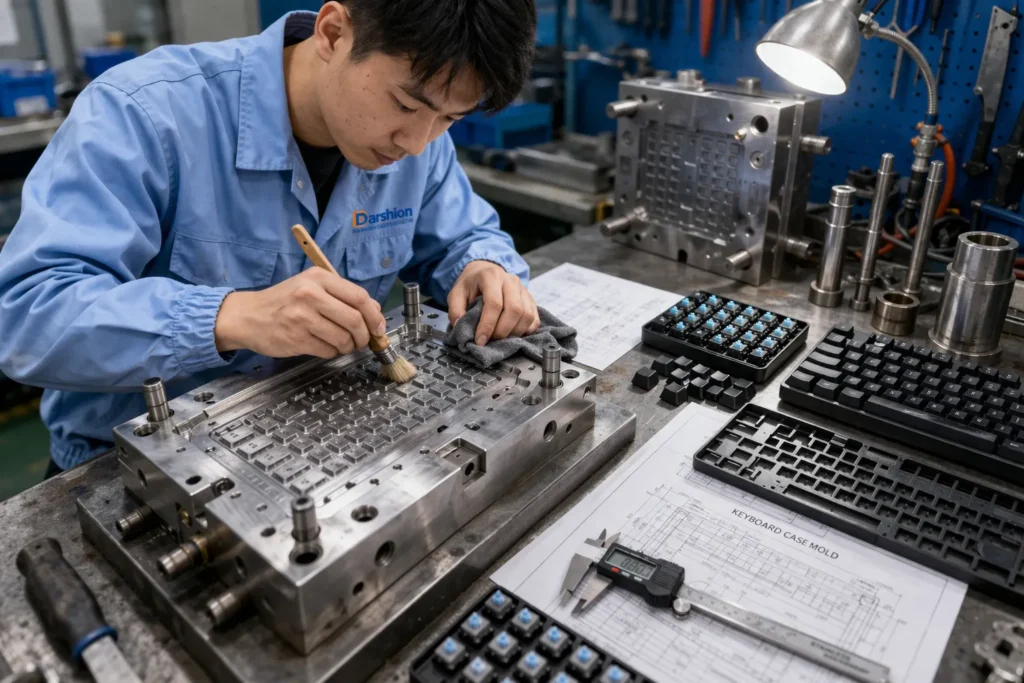
Most deficient factories lack modern tooling and process controls. For example, if “process controls are not consistent”, quality and delivery times suffer. Outdated molds or misaligned machines can produce warped cases and off-center keycaps, causing assembly failures. Even basic PCB assembly can go wrong: missing ESD guards or uncalibrated pick-and-place machines lead to boards with shorts or mis-soldered components. Furthermore, poor factory practices such as skipping in-line inspection mean that minor defects “slip through the net”, turning into major failures later. In practice, a factory with no rigorous in-process checks might ship thousands of keyboards with faulty switches or broken diodes – wrecking a brand’s launch. By contrast, successful keyboard OEMs invest in advanced tooling (CNC machining, precise injection molds) and maintain tight process control to catch issues early.
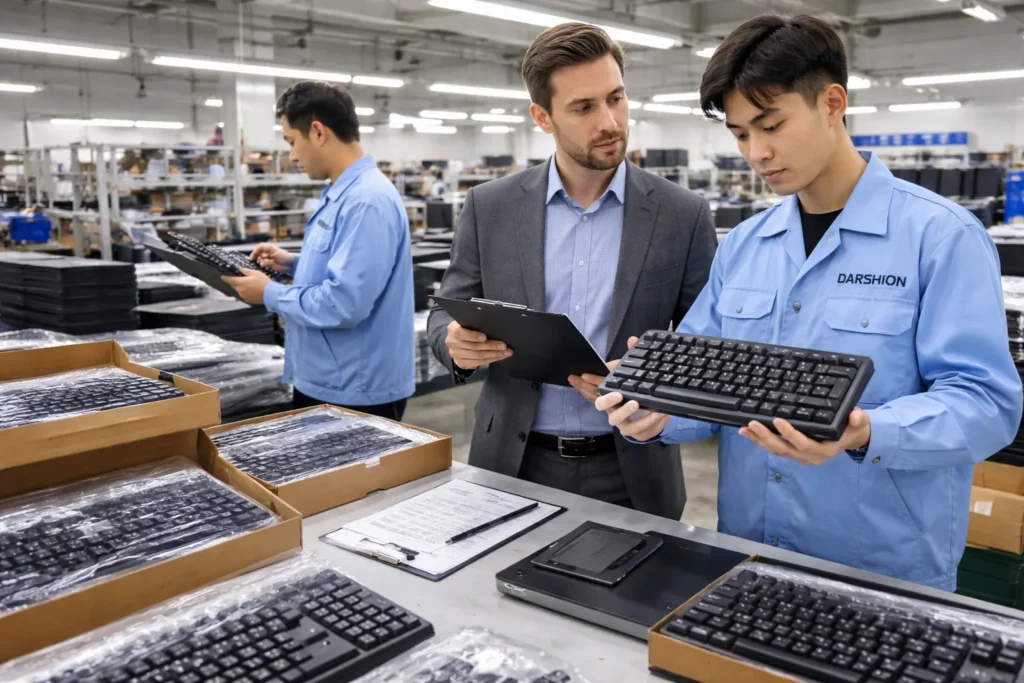
Common контроль качества failures include ineffective sampling, absent documentation, and no formal Quality Management System (QMS). Many factories treat QC as an afterthought – inspecting only a few final units or skipping tests entirely. In fact, industry sources highlight that lacking a proper QMS leads directly to lost revenue and brand damage. Key pitfalls include:
- Ineffective Sampling or Testing: Factories may test only trivial samples or none at all during production. For example, a run of 5,000 keyboards might see only 5 units tested for electrical performance, missing systematic faults.
- Poor Documentation: Without clear inspection records or checklists, errors cannot be tracked or fixed. Factories often have no written work instructions; if operators aren’t trained or English translations are poor, misinterpretation of schematics causes assembly mistakes.
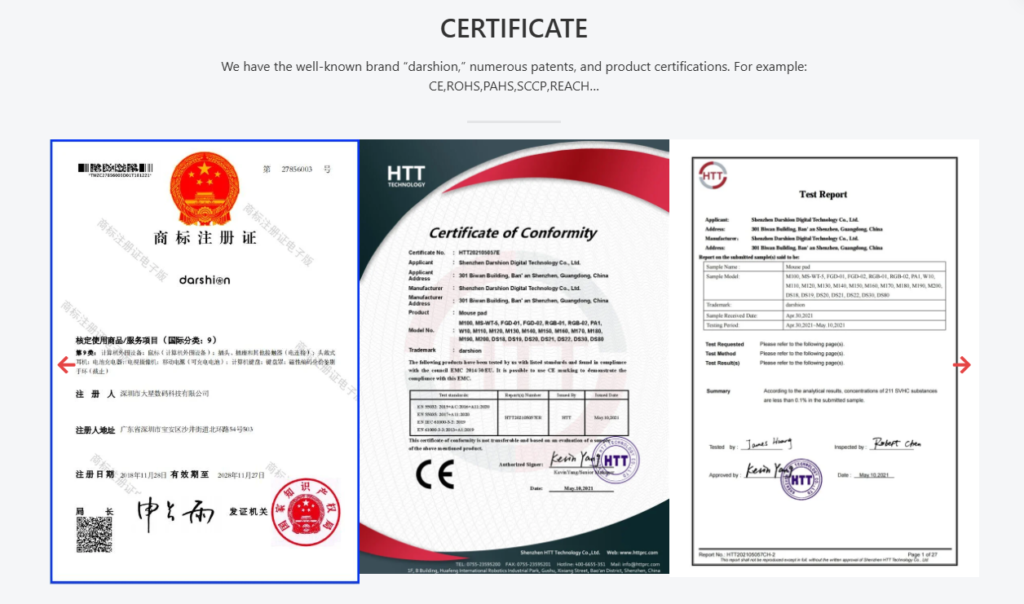
- Lack of Certified QMS: Top-tier OEMs hold ISO 9001 (and often ISO 14001) to ensure repeatable quality. By contrast, many failing factories aren’t even ISO-certified, meaning they have no standardized processes. As one expert advises, “it’s better to work with a [supplier] who has a certified QMS, such as ISO 9001 at the very least.”
- Uncalibrated Equipment: Factories that skip equipment calibration or maintenance produce out-of-spec parts. For instance, a worn solder stencil can deposit wrong amounts of solder paste, or a dirty placement nozzle mispositions switches. Sofeast warns that “machines that break down can cause quality defects… if they’re worn and the tolerances of products are out of specification.”
Even seemingly minor lapses can cascade into massive failures. For instance, inconsistent or thin packaging has destroyed products in transit: “the packaging of final products is not consistent – packaging issues can lead to damage in transit to products that were… 100% reliable”. Similarly, if a factory sources parts from unauthorized suppliers (to cut costs), entire production batches can become non-compliant or unsafe. In short, without rigorous QC and oversight, the production process yields unreliable keyboards.
| Capability | Successful OEM Factories | Failing Factories |
|---|---|---|
| Tooling & R&D | Modern in-house tooling; skilled engineers for mold design | Outdated or generic molds; limited R&D or design iteration |
| Контроль качества | Formal ISO 9001 QMS; in-line inspections & testing at every stage | Ad-hoc or no QC; only end-of-line checks, no certifications |
| Certifications & Testing | CE/FCC/ROHS certified; 50M-cycle switch test, ESD/IP tests | No official certifications; minimal compliance testing |
| Упаковка и брендинг | Custom-branded, durable packaging; manuals/dielines reviewed | Generic bulk packaging; no protection or branded inserts |
| Communication & Language | Bilingual engineering team; fast, clear updates; NDA-backed transparency | Staff often lack English fluency; slow replies, frequent misunderstandings |
| MOQ & Flexibility | Flexible order sizes (50–100 samples up to 100K+ units) | Rigid MOQ (e.g. ≥1000 units); cannot scale down or prototype easily |
| Process Capability | Automated SMT lines, ESD-safe workstations, updated inspection gear | Manual assembly lines, older machinery, limited inspection tools |
| Lead Time & Delivery | Robust supply chain, on-time delivery >97% | Unpredictable lead times, frequent delays, high defect rework |
This comparison highlights why many buyers see defective keyboard batches from certain factories. Leading производители клавиатуры explicitly advertise capabilities like fast response and strict inspections: for example, one top-rated supplier boasts a 97%+ on-time delivery rate thanks to “rigorous inline inspections”. In practice, procurement guides stress choosing suppliers with “proven experience in your product category”, “transparent supply chains”, и “clear communication channels”.
Avoiding Pitfalls: Vetting Your OEM Supplier
For buyers, the cure is thorough vetting and due diligence. As one sourcing expert puts it, always provide “crystal clear requirements, quality standards, product drawings, etc., in order that there can be no misunderstanding.”. In practice, apply these strategies:
- Factory Audits & Visits: Whenever possible, conduct on-site audits or virtual tours. Observe the production process directly – check SMT assembly lines, inspect ESD-safe benches, and review packaging workflows. (Alternatively, hire third-party inspectors to verify claims.)
- Sample Testing: Insist on pre-production samples and test them rigorously for all spec-critical metrics (key travel, actuation force, firmware functionality, etc.). Verifying prototypes catches issues before a bulk order is locked in.
- Certifications & Documentation: Require proof of ISO 9001 or other QMS certification, plus up-to-date CE/FCC/REACH compliance reports. Also ask for material datasheets and process control documentation – any refusal is a red flag.
- References & Track Record: Check the supplier’s customer references and track record for similar projects. A factory with a history of medical or industrial keyboards (for instance) is more likely to adhere to higher standards than a maker of generic knock-offs.
- Communication Checks: Gauge responsiveness and clarity in early communications. Reliable suppliers answer technical questions promptly and clarify ambiguities. If their English communication is weak, consider a local liaison or translator to eliminate language gaps.
- Flexible MOQ & Scalability: Confirm the supplier’s minimum order quantity and its flexibility. Good OEM partners will offer both small pilot runs (50–100 units) and large-scale оптовый заказ capability. Beware factories that insist on huge minimums with no exceptions – they may lack confidence in their quality.
By applying these best practices, procurement teams can filter out the 80% of unreliable factories and find the 20% that truly meet OEM standards. It’s an investment in контроль качества up front: better to spend time on audits and sample tests than face product recalls later. As one advisory note concludes, working with an experienced procurement partner or quality consultant can provide an extra safety net – but ultimately, leaving no “grey areas” in specifications and inspections is the key to success.