Если вы когда-нибудь открывали бюджетный коврик для мыши и почувствовали сильный “химический” запах, вы не одиноки. Этот резкий запах - распространенная проблема недорогих ковриков, и это не просто раздражение - это признак того, как был изготовлен продукт. В этом разделе мы рассмотрим основные причины неприятного запаха с точки зрения фабрики. Понимание Почему дешевые коврики для мыши плохо пахнут это первый шаг к поиску решений и выбору лучших продуктов.
Чем вызван химический запах в дешевых ковриках для мыши?
Сильный запах в ковриках для мыши низкого ценового сегмента обусловлен несколькими факторами, связанными с материалами и производством. Вот основные причины возникновения запаха:
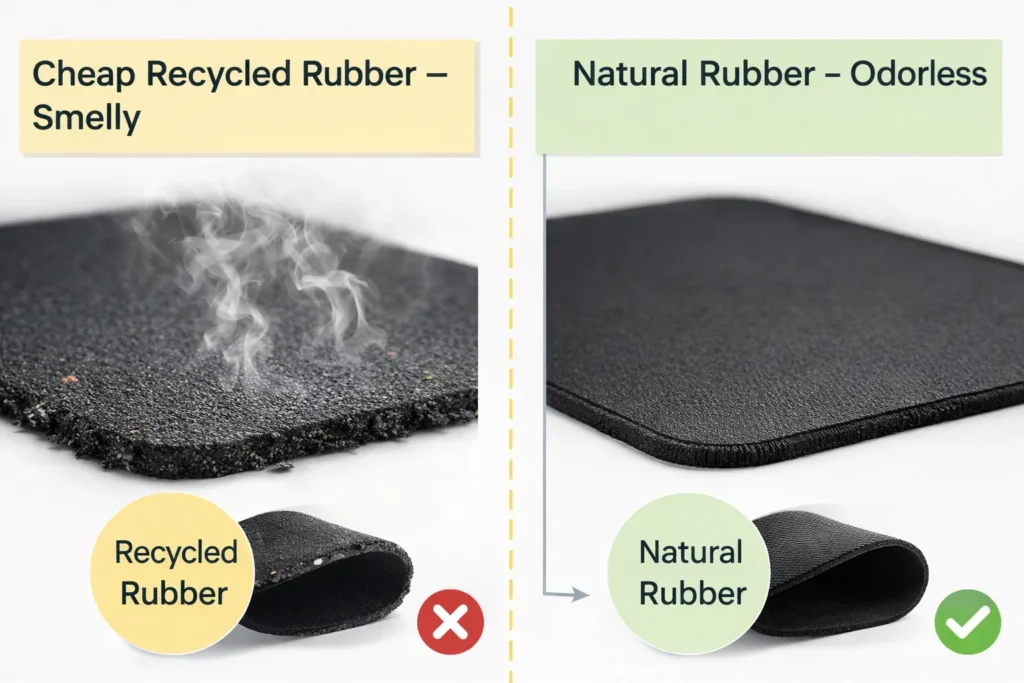
- Материалы из низкосортной резины: Большинство дешевых ковриков для мыши используют резиновую основу для сцепления с поверхностью. Часто это Стирол-бутадиеновый каучук (SBR) или даже переработанной резины, выбранной из-за ее низкой стоимости. Эти материалы, как правило, содержат примеси и добавки которые издают резкий запах. Особенно печально известна резина, полученная из старых шин или обрезков, - она может содержать побочные продукты переработки нефти, соединения серы и другие химические вещества, оставшиеся от ее прошлой жизни. Хотя переработка в принципе является экологически чистой, Низкокачественная переработанная резина может пахнуть гораздо хуже, чем свежий натуральный каучук при неправильной обработке (многие пользователи отмечают, что колодки, изготовленные из переработанной шинной резины пахнет сильнее и дольше чем те, что изготовлены из нового каучука). Высокосортный натуральный каучук, напротив, имеет более мягкий, более “органический” запах. Короче говоря, более дешевая резина = более сильный запах.
- Остаточные химические вещества и летучие органические соединения: Запах не просто сам каучук - его получают из летучие органические соединения (ЛОС) встроенные в материал. ЛОС - это химические вещества, которые испаряются при комнатной температуре, создавая тот самый химический запах, который мы ощущаем. В процессе производства резина смешивается с такими веществами, как сера, ускорители, пластификаторы и растворители. Если процесс происходит в спешке или формула дешевая, в конечном продукте остается много таких соединений. Например, поролоновая основа бюджетного коврика для мыши может содержать следы бензол, толуол или другие растворители используемых в производстве. Тканевый верх также может нести в себе запахи от красок или клея. Когда вы открываете новый блокнот, эти молекулы летучих органических соединений попадают в воздух (особенно если он был запечатан сразу после изготовления). Как сказал один из экспертов отрасли: “Запах, который издают резиновые коврики, на самом деле исходит не от самой резины. Он вызван... летучими органическими соединениями”. По сути, вы нюхаете остатки химикатов, которые не были полностью удалены или испарены на заводе.
- Неполное отвердение или сокращение производства: Изготовление коврика для мыши включает в себя вулканизация каучук (нагревание серы или пероксидов для придания ему эластичности и прочности) и ламинирование тканевая поверхность сверху (часто с клеем). Если производитель срезает углы - например, недостаточно долго отверждает резину или использует более дешевый, быстросохнущий клей, - в результате накладка может быть усеяна непрореагировавшими ингредиентами и остатками растворителя. Эти остатки со временем медленно “гаснут”. Правильное отверждение выпекается большинство пахучих соединений, но короткий путь позволяет сэкономить время и деньги в ущерб качеству. Опытные поставщики знают, что спешка на этом этапе - ложная экономия: любая прокладка, которая воняет скорее всего, приведет к жалобам покупателей или возвратам.
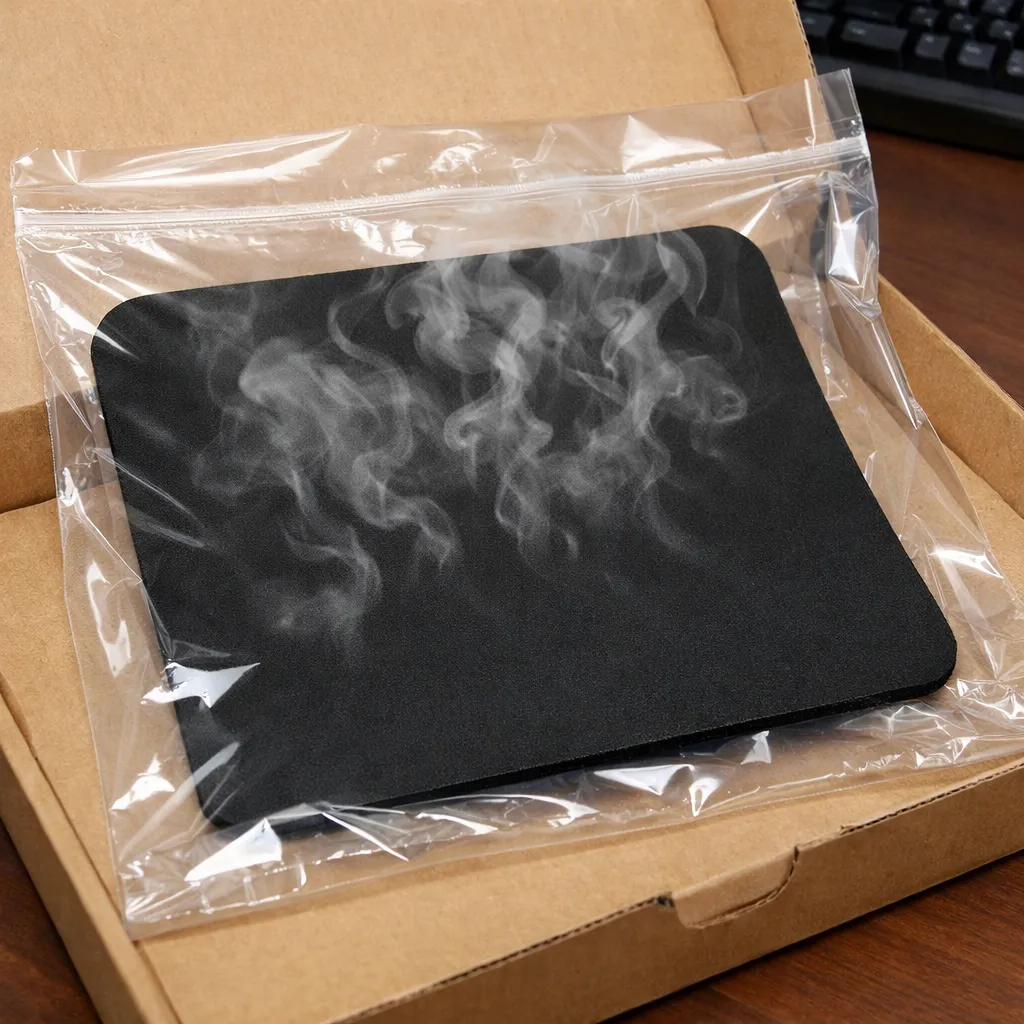
- Задержанные запахи в упаковке: То, как упакован продукт, играет большую роль в интенсивности запаха при распаковке. Бюджетные коврики для мыши часто в термоусадочной упаковке или запечатанный в пластик сразу после производства. Это означает, что все пары летучих органических соединений, которые должны выветриваться, вместо этого накапливаются в упаковке. Когда вы разрываете пластиковую упаковку, то получаете концентрированный взрыв недель (или месяцев) сдерживаемого химического газа. Высококачественные прокладки иногда поставляются в вентилируемых картонных коробках или с небольшим вентиляционным отверстием в пакете, чтобы выпустить немного газа. Многие дешевые прокладки этого не делают. В результате первое, что вы почувствуете, - это запах Облако летучих органических соединений выходя из пакета. (Вы когда-нибудь замечали, что запах подушечки становится сильнее всего сразу после открытия, а затем постепенно ослабевает? Это задерживаемые летучие органические вещества наконец-то рассеиваются в помещении).
В итоге, дешёвые материалы (например, недорогой синтетический или переработанный каучук) в сочетании с производственные ярлыки (недостаточная полимеризация, клеи с высоким содержанием растворителей) создают идеальный шторм для появления сильного запаха. Совершенно новый коврик для мыши плохо пахнет, потому что он буквально выделение остатков химикатов от производства. И если это бюджетный продукт, есть шанс, что производитель отдал предпочтение стоимости, а не контролю запаха.
Наука о запахах ковриков для мыши: Понимание летучих органических соединений
Чтобы понять причину появления этих запахов, необходимо разобраться в науке о летучие органические соединения (ЛОС) - химические испарения, вызывающие запах. ЛОС содержатся во многих бытовых товарах (новая краска, новый автомобиль, новый ковер - этот “запах нового товара” обычно связан с ЛОС). В ковриках для мыши летучие органические соединения образуются из резины и любых химических веществ, используемых при производстве.
Что такое летучие органические соединения? Это органические (на основе углерода) химические вещества, которые испаряются при низких температурах. Другими словами, они легко превращаются в пар (газ) при комнатной температуре. Этот пар и есть то, что наши носы воспринимают как запах. Когда вы нюхаете новый коврик для мыши, вы вдыхаете крошечные молекулы, которые коврик выделяет в воздух. На самом деле, как отмечается в производственном блоге Matshop, “Когда мы чувствуем запах, мы ощущаем частицы этого предмета, когда они попадают в наш нос”.” Так что “частицы” с вонючего коврика для мыши могут включать в себя такие химические вещества, как:
- Бензотиазол - распространенный ускоритель вулканизации резины (имеет резиновый, слегка фенольный запах). Его часто определяют как маркерное химическое вещество для эмиссии резиновых изделий.
- Стирол - компонент каучука SBR (придает сладковатый, пластичный запах).
- Толуол и ксилолы - Растворители, которые могут содержаться в клеях или красках (резкий, химический запах).
- Лимонен - иногда обнаруживается при наличии натуральных добавок или разлагающейся резины (имеет цитрусовый или похожий на бензин запах).
- Формальдегид или другие альдегиды - иногда выделяется из некоторых каучуков или клеев (резкий, раздражающий запах).
(Не волнуйтесь - это звучит страшно, но сумма в одном коврике для мыши обычно очень мала). Исследования показали, что многочисленные соединения летучих органических соединений выделяются при производстве резины. Многие из них в следовых количествах попадают в готовый коврик. Резина - это пористая матрица, поэтому она может “удерживать” эти летучие химические вещества, а затем медленно высвобождать их со временем.
Так, дешевые коврики для мыши и дорогие могут сильно отличаться по уровню содержания летучих органических соединений. Коврик премиум-класса, изготовленный с использованием натуральный каучук и правильно отвержденная, может иметь лишь легкий запах “новой резины”, который быстро исчезает. Известно, что натуральный каучук имеет гораздо более слабый запах, чем у синтетических каучуков. Синтетические или переработанные резиновые прокладки, с другой стороны, часто выделяют более резкий, долго сохраняющийся запах. Например, переработанная шинная резина (используемая в некоторых ультрадешевых ковриках) может выделять коктейль химических веществ - некоторые пользователи описывают его как “жженую резину” или “промышленный” запах, который держится неделями. Один из пользователей Reddit отметил, что переработанный натуральный каучук, как правило, пахнет “дольше и хуже”, чем новый, даже в продукции крупных брендов. Это связано с тем, что переработанный каучук может содержать остатки нефтяных масел и антиоксидантов, оставшихся от прежней жизни (шины), которые продолжают выделять газы.
Более того, толщина и площадь поверхности влияют на эмиссию летучих органических соединений. Большой настольный коврик XL (90×40 см) имеет большую массу резины, чем маленький коврик, поэтому изначально он может выделять больше запаха. Более толстые коврики (4 мм и более) также содержат больше материала для выделения газов. Вот почему некоторые коврики XXL поначалу кажутся вонючими на всю комнату. По сути, это похоже на большой резиновый лист, постоянно выделяющий пары, пока он не стабилизируется.
В общем, ЛОС - это невидимый виновник вонючих ковриков для мыши. Бюджетные модели с более высоким содержанием летучих органических соединений эффективно “Испарение” химических веществ в вашу комнату при первом же разворачивании. Понимание этой науки подчеркивает, почему так важно качество материалов и производства: меньшее количество летучих органических соединений в продукте означает меньший запах для конечного потребителя.
Вредны ли эти запахи? (Здоровье и безопасность летучих органических соединений на коврике для мыши)
Часто возникает вопрос, не является ли сильный запах от коврика для мыши токсичный или вредный на здоровье. В конце концов, если вы чувствуете запах химикатов, вы можете беспокоиться о том, что будете вдыхать их часами за рабочим столом. Хорошая новость заключается в том, что, по большей части, запах нового коврика для мыши скорее раздражает, чем представляет серьезную опасность для здоровья.
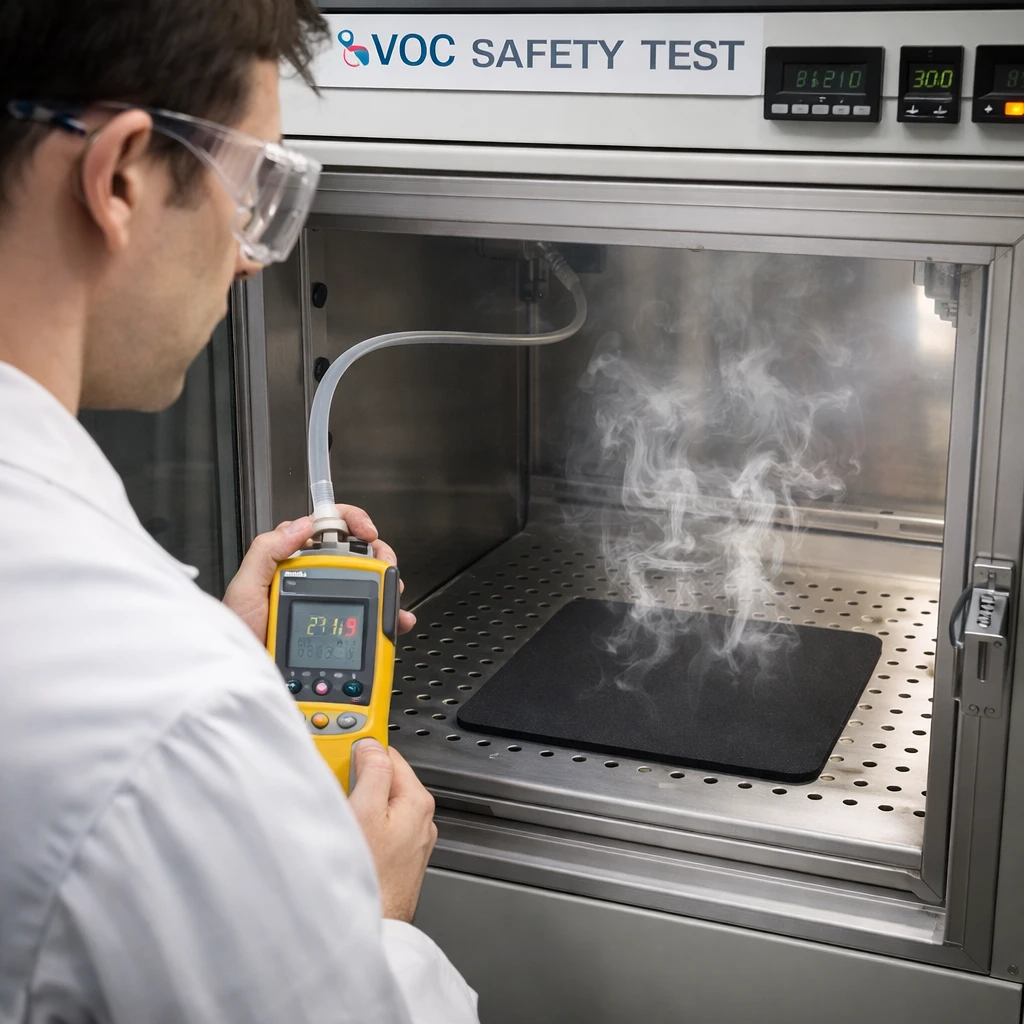
Согласно общепринятому мнению, кратковременное воздействие для резины летучие органические соединения на уровне, выделяемом ковриком для мыши, не считаются опасными. Вы можете почувствовать запах и даже получить легкую головную боль, если вы очень чувствительны или находитесь в непроветриваемом помещении, но вряд ли это причинит какой-либо длительный вред. Один ресурс, посвященный производству резины, отмечает, что запах от новых резиновых изделий (например, ковриков) обычно “не опасно” для случайного воздействия. Это предполагает, что вы используете продукт обычным образом (например, на столе в проветриваемом помещении), а не спите, обернув его вокруг лица!
Однако есть несколько предостережений, о которых следует помнить:
- Высокие концентрации в замкнутых пространствах: Если оставить пахнущий коврик для мыши в маленькой закрытой комнате или в машине, концентрация летучих органических соединений в воздухе может увеличиться. Это может вызвать раздражение глаз, носа или горла. Чтобы избежать такого сценария, всегда давайте новым изделиям проветриться в хорошо проветриваемом помещении. Свежий воздух и воздушные потоки быстро разбавят и унесут летучие органические соединения.
- Индивидуальная чувствительность: Некоторые люди более чувствительны или склонны к аллергии на определенные химические испарения. Например, человек с химической чувствительностью или астмой может сильнее реагировать (головокружением или затрудненным дыханием) на сильный запах резины. Если вы испытываете симптомы, выходящие за рамки легкого раздражения - например, тошноту или кашель, - лучше убрать коврик из своего помещения, пока запах не исчезнет.
- Контакт с кожей: Как правило, запах указывает на химические вещества, находящиеся в воздухе, а не на то, что обязательно попадет на вашу кожу. Однако в редких случаях химические вещества в дешевых подушечках (например, непрореагировавшие ускорители или добавки) могут вызвать раздражение кожи, если вы будете долго лежать на них запястьем, особенно в тепле (пот может вымывать соединения). Высококачественные подушечки обычно рекламируются как “Нетоксичный” и соответствующий требованиям ROHS, Это означает, что они прошли проверку на отсутствие вредных веществ, таких как тяжелые металлы или токсичные красители. Если прокладки имеют очень резкий запах, а также вызывают покраснение кожи в месте прикосновения, откажитесь от их использования.
- Нормативная безопасность: Надежные производители гарантируют, что их коврики для мыши соответствуют стандартам безопасности. Например, продукция может соответствовать следующим стандартам REACH и RoHS (с ограничением содержания вредных химических веществ и тяжелых металлов) или даже сертифицированы третьими сторонами на низкий уровень выбросов. В некоторых ковриках для мыши (особенно в тех, которые продаются как экологически чистые) используются материалы, которые проходят EN71-3 (стандарт безопасности игрушек по химическому составу) или OEKO-TEX стандарты для текстиля. Эти сертификаты косвенно гарантируют, что любые запахи не являются результатом воздействия остротоксичных химических веществ. Если вы покупатель B2B, разумно попросить поставщиков подтвердить это соответствие. Очевидно, что коврик с надписью “нетоксичен и не имеет запаха”, подтвержденный лабораторными испытаниями, предпочтительнее, чем безымянный коврик из загадочной резины.
- Длительное воздействие: Сценарий, вызывающий озабоченность, - это когда человек постоянно подвергается воздействию газовыделяющих химикатов на производстве (например, работники фабрики по производству резины подвергаются известному риску для здоровья). Но для пользователя после первых дней или недель использования коврик для мыши должен выпустить большую часть своего запаха и стать практически инертным. Длительное использование полностью “выветрившегося” коврика, как известно, не вызывает проблем со здоровьем. Сильнее всего он выделяет газы, когда продукт новый.
В итоге, что неприятный запах, как правило, не является серьезным ядом, но разумно не дышать этим запахом больше, чем необходимо. Относитесь к пахнущему новому коврику для мыши так же, как к свежевыкрашенной комнате: проветрите, дайте ему немного “вылечиться”, и все будет в порядке. И помните, что если вы сомневаетесь, то можете выбрать коврики, специально продающиеся как без запаха или нетоксичные - Вы можете быть уверены, что не подвергаете себя (или своих клиентов) опасности заражения. (На самом деле, один производитель ковриков для мыши предупреждает, что действительно некачественные прокладки могут содержать некачественные материалы, которые может риски, призывая “ставить здоровье человека на первое место”, используя высококачественную и безопасную резину. Так что стоит быть разборчивым).
Как избавиться от запаха коврика для мыши (быстрые способы)
Если у вас уже есть вонючий коврик для мыши (в буквальном смысле), вы будете рады узнать, что есть способы нейтрализовать запах. Производители (и опытные пользователи) испытали различные методы, чтобы удалить или хотя бы ускорить исчезновение этого химического запаха. Вот несколько эффективных подходов, которые вы можете попробовать:
- Тщательно проветрите его: Самое простое решение - это свежий воздух и времени. Разверните коврик для мыши и оставьте его в хорошо проветриваемом месте. Желательно положить его на открытом воздухе или у открытого окна/балкона. Свежий воздух будет уносить летучие органические соединения при их выделении. Если возможно, не держите блокнот в замкнутом пространстве (например, в небольшой комнате или ящике), пока запах не исчезнет. Совет профессионала: Если вы можете оставить его на улице (в тени, чтобы на него не попадал дождь) на 1-3 дня, это часто значительно уменьшает запах. Некоторые пользователи даже вешают прокладку на вешалку или балкон. Как отмечается в одном из комментариев, запах исчезнет через несколько дней, когда подушечка будет лежать ровно, а не свернутой - Разворачивая его, вы проветриваете большую площадь поверхности. Наберитесь терпения: интенсивность запаха обычно значительно снижается через первые 24-48 часов.
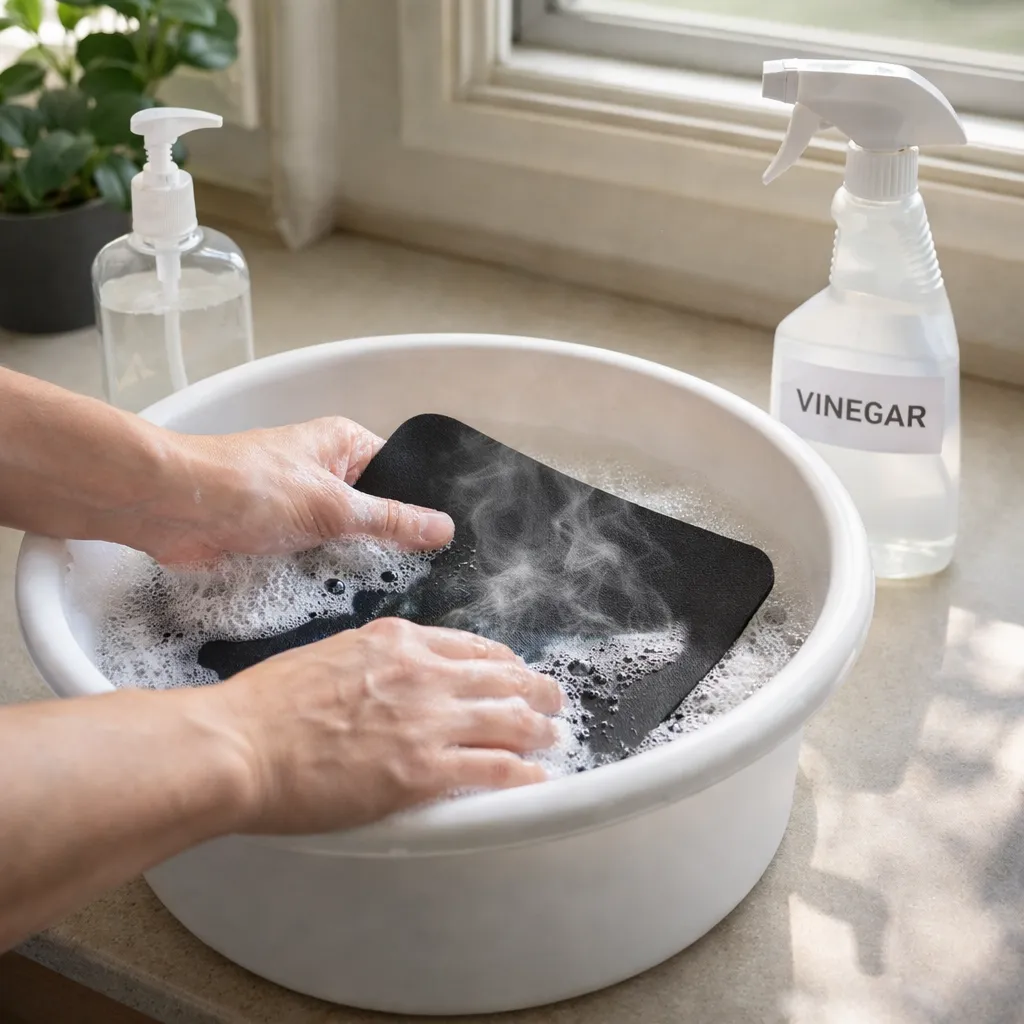
- Используйте теплую воду и мягкое моющее средство: Мягкая стирка коврика для мыши поможет удалить химические вещества с поверхности и ускорить выделение летучих органических соединений. Наполните ванну или раковину водой теплая (не горячая) вода и добавьте несколько капель мягкого мыла для посуды или стирального порошка. Погрузите коврик для мыши и слегка скрабировать мягкой тканью или губкой, особенно с резиновой стороны. Это поможет смыть все остатки производства (например, излишки разделительных средств или пыль, которая может нести запах). Тщательно промойте его чистой водой. После мытья насухо промокните его полотенцем и дайте ему полностью высохнуть на воздухе. Примечание: Не используйте агрессивные химические средства или слишком горячее замачивание, так как это может повредить поверхность коврика или принт. Лучше всего использовать натуральное, мягкое моющее средство, чтобы избежать появления новых химических запахов.
- Пропитайте белым уксусом: Белый уксус - известный нейтрализатор запахов. Смешайте равные части белый уксус и вода (например, 1 стакан уксуса + 1 стакан воды) в тазике. Поместите коврик для мыши в этот раствор, следя за тем, чтобы резиновая часть особенно сильно соприкасалась с уксусом и водой. Оставьте его замочить на час или два. Уксусная кислота, содержащаяся в уксусе, помогает разрушить соединения, вызывающие запах. После замачивания прополощите коврик водой с небольшим количеством мягкого мыла, чтобы удалить запах уксуса. Многие считают этот способ эффективным - один из советов на Amazon рекомендовал замачивать уксус, а затем высушивать полотенцем, чтобы избавиться от “запаха новой прокладки”. Это быстрое и недорогое средство.
- Метод с пищевой содой: Пищевая сода поглощает запахи. Вы можете слегка смочить поверхность коврика для мыши, а затем посыпать тонким слоем порошок пищевой соды поверх резиновой подложки (и тканевой стороны тоже, если хотите). Поместите коврик в большой пакет с молнией или мусорный пакет (неплотно закрытый) и оставьте на ночь. Пищевая сода поглотит часть летучих органических соединений. На следующий день стряхните порошок (или воспользуйтесь пылесосом с насадкой-щеткой, чтобы аккуратно удалить его). Это поможет избавиться от запаха. Убедитесь, что после начала использования коврика на нем не останется следов пищевой соды (пищевая сода обладает легкой абразивностью, поэтому протрите поверхность влажной тряпкой).
- Солнечный свет и тепло: В солнечный день дайте коврику посидеть на прямом солнце пару часов (не весь день, чтобы избежать переизбытка ультрафиолета, который может разрушить резину). Тепло ускоряет выделение летучих органических соединений. По сути, вы “выжигаете” запах. Солнце и свежий воздух - отличное сочетание: тепло выводит химические вещества, а ветерок уносит их прочь. Осторожно: не оставляйте его на сильно нагретых поверхностях (например, на металлической крыше под палящим солнцем), иначе он может деформироваться. Кроме того, ультрафиолетовое излучение в течение многих часов может привести к выцветанию напечатанной графики, поэтому умеренное пребывание на солнце является ключевым фактором.
- Древесный уголь или поглотители запахов: Если у вас есть пакетики с активированным углем (его часто используют для дезодорации холодильников) или даже ведро угольных брикетов (неиспользованных, натуральных), положите коврик для мыши в большой контейнер или шкаф, положив уголь рядом (не касаясь его, чтобы избежать пятен). Оставьте его на несколько дней. Уголь будет поглощать запахи из воздуха в замкнутом пространстве, помогая избавиться от запаха коврика. Также могут помочь пакеты с силикагелем или коммерческие поглотители запахов (например, для спортивных сумок), хотя их эффект может быть слабым при сильном запахе резины.
- Последнее средство - маскирующие спреи: Некоторые советуют использовать освежитель воздуха или спрей для освежения ткани (например, Febreze) на подушечке. Мы не рекомендую Намазать подушечку ароматизаторами, чтобы скрыть запах - это все равно что распылять духи на химикаты: в итоге вы получаете странный комбинированный запах и добавление химических веществ. Используйте этот способ только в том случае, если вам нужно очень быстро решить проблему и вы понимаете, что это временно. Если вы используете спрей, убедитесь, что подушечка полностью высохла и что спрей не оставляет следов (некоторые освежители могут сделать поверхности немного мыльными/липкими).
После того как вы попробуете любой метод влажной уборки, убедитесь, что коврик для мыши полностью высох перед использованием (расстелите его, а не кладите на стол). Влажный коврик под мышью - это не очень весело, а попавшая в него влага может стать причиной других проблем (например, запаха плесени, а это уже совсем другая проблема!).
И наконец, знайте, что даже если ничего не делать, запах будет В большинстве ковриков для мыши запах со временем исчезает сам собой. Для полного исчезновения “заводского запаха” может потребоваться неделя или две регулярного использования и пребывания на воздухе. Если вы сможете терпеть так долго, то со временем выбросы летучих органических соединений обычно снижаются до незначительного уровня. Но описанные выше методы могут ускорить этот процесс и тем самым спасти ваш нос.
Долгосрочные решения: Выбор высококачественных ковриков для мыши без запаха
Лучший способ справиться с вонючими ковриками для мыши - это вообще отказаться от них, выбрав более качественные. материалы для ковриков для мыши и производители. Независимо от того, занимаетесь ли вы оптовыми закупками продукции или инвестируете в лучшие подушечки, внимание к материалам может избавить вас от головной боли (в буквальном смысле), связанной с химическими запахами. Вот что следует искать в альтернативных материалах без запаха:
- Основа из натурального каучука: Многие коврики для мыши премиум- и среднего класса рекламируют основу из “натурального каучука”. Натуральный каучук, получаемый из латекса каучукового дерева, обычно имеет мягкий, слегка сладковатый запах резины, который гораздо менее неприятен, чем резкий запах синтетических смесей. Более того, авторитетные производители ковриков для мыши из натурального каучука часто вымойте и проветрите резиновые листы тщательно обрабатываются в процессе производства. В результате продукт сначала может иметь слабый запах “новой резины”, но он не является чрезмерным и быстро исчезает. Натуральный каучук также не содержит некоторых вредных нефтехимических веществ, которые встречаются в дешевых SBR. Имейте в виду: “натуральный каучук” означает латекс, поэтому если у вас есть аллергия на латекс, вы можете предпочесть другие варианты. Но что касается запаха, коврики для мыши из натуральной резины Как правило, это лучший выбор для минимального запаха.
- Высококачественная переработанная резина (технология без запаха): Как мы видели ранее, не вся перерабатываемая резина одинаковая. Некоторые производители используют очищенный переработанный каучук с нейтральным запахом, которые подвергаются дополнительной обработке (например, многократной промывке, нагреванию и добавлению поглотителей запаха) для удаления летучих органических соединений. Существуют даже материалы, которые продаются как “Латекс без запаха из регенерированной резины” в отрасли - они не имеют заметного запаха, при этом в них используется переработанное сырье. Добросовестный производитель ковриков для мыши будут использовать такие материалы, несмотря на их более высокую стоимость, особенно при производстве экологически чистых продуктов. Если вы видите, что прокладки рекламируются как экологически чистые и без запаха, проверьте, не упоминается ли в них специальная формула резины или сертификация. Можно получить коврик из переработанной резины, который не будет вонять, но для этого необходимо использовать переработанную резину высшего сорта и правильно ее отверждать.
- Совсем без резины - альтернативные материалы: Некоторые пользователи, не терпящие запаха, выбирают коврики для мыши без резины. Существуют коврики с основой из силикон, пена, или полиуретан которые утверждают, что не имеют запаха. Например, коврик для мыши с силиконовым дном может практически не иметь запаха (силикон - инертный материал, который часто используется в выпечке по этой причине). Аналогичным образом, коврики с твердой поверхностью (пластик или стекло), очевидно, не имеют запаха резины (хотя они и обеспечивают другие ощущения при работе с мышью). Мы также видим специальные пенопласты, такие как Poron (разновидность пенополиуретана), используемая в некоторых элитных ковриках для мыши; после удаления остатков производства она, как правило, имеет минимальный запах. Недостатком не резиновых ковриков является то, что они могут быть дороже или иметь другие характеристики (например, силикон может сцепляться с поверхностью не так хорошо, как резина, или жесткий коврик может быть не таким комфортным). Тем не менее, для определенных областей применения или премиальных брендов эти альтернативы стоит рассмотреть, чтобы избавиться от неприятного запаха.
- Качественные клеи и чернила: Верхняя поверхность коврика для мыши (ткань с напечатанным рисунком) также может способствовать появлению запаха. В дешевых ковриках могут использоваться красители или клеи на основе растворителей, которые усиливают запах. В ковриках более высокого качества часто используются краски на водной основе для печати и Клеи с низким содержанием летучих органических соединений или даже термоскрепление (когда ткань прижимается к резине без клея). Это значительно сокращает количество химических запахов. Ищите производителей, которые отмечают нетоксичные процессы печати - например, сублимационная печать обычно используется для изготовления ковриков для мыши на заказ, и при правильном подходе она не должна оставлять остаточного запаха на ткани.
- Сертификаты на низкий уровень выбросов: Если вы закупаете коврики для мыши оптом для перепродажи, потребуйте от поставщика сертификаты или хотя бы декларации о соответствии. Некоторые из них могут включать Золото GREENGUARD или CertiPUR-US (хотя они чаще встречаются в производстве пенопласта/матрасов), которые гарантируют соответствие продукции строгим стандартам эмиссии с низким содержанием летучих органических соединений. Хотя коврики для мыши обычно не сертифицируются подобным образом, производитель, который придерживается экологических стандартов ISO или использует материалы, сертифицированные, например, для детских товаров, скорее всего, выпускает более чистый продукт. Как минимум, проверьте наличие RoHS (Restriction of Hazardous Substances), чтобы гарантировать отсутствие вредных химических веществ, таких как некоторые фталаты.
- Репутация и прозрачность производителя: В конечном счете, работа с опытными специалистами, ориентированными на качество производитель ковриков для мыши имеет ключевое значение. Поставщики, обслуживающие ведущие игровые бренды или корпоративных клиентов, знают, что они должны поставлять продукцию без запаха и удобную в использовании (никто не хочет получить тысячу единиц рекламного коврика для мыши, от которого воняет в офисе!) Такие производители, как правило:
- Используйте новый натуральный каучук или высококачественный синтетический каучук со слабым запахом.
- Дайте резиновым валикам “Залечить” и выпустить газ на заводе в течение нескольких дней или недель перед сборкой и упаковкой.
- Возможно, предварительно вымойте или обработайте подушечки для удаления летучих органических соединений с поверхности.
- Упаковывайте продукты таким образом, чтобы свести к минимуму улавливание запаха - например, не запечатывайте их сразу под вакуумом, или включите в упаковку небольшое вентиляционное отверстие или влагопоглотитель.
- Будьте готовы предоставить образец для проверки запаха или даже поделиться данными лабораторных испытаний на уровень содержания летучих органических соединений. (Например, эксперт FlooringInc по резиновым полам советует заказать образцы и сравнить их на нюх - самые качественные продукты быстро теряют запах, а самые пахучие требуют длительного проветривания). Та же логика применима и к коврикам для мыши оптом: всегда просите образец из партии или пробной партии, прежде чем делать большой заказ. Гораздо проще отбраковать или исправить партию с неприятным запахом. до на вашем складе или на полках Amazon.
- Натуральные маскирующие запахи добавки: Некоторые производители экспериментируют с добавками, которые придают резине более приятный запах (например, легкий лимонный или ванильный), чтобы замаскировать химический запах. Хотя в определенной степени это может сработать, как правило, лучше устранить первопричину, чем скрывать ее. Если вам попалась прокладка со странным парфюмерным запахом из упаковки, это может быть то, что вы пробовали. Это нечастое явление, но о нем стоит упомянуть.
В заключение следует отметить, что сегодня на рынке представлено множество высококачественных ковриков для мыши, которые не будут оскорблять ваши чувства. Эти продукты могут стоить немного дороже, но они обеспечивают лучший пользовательский опыт, что очень важно для покупателей B2B и брендов, заботящихся об удовлетворенности клиентов. Представьте, что вы продаете или дарите фирменные коврики для мыши, а ваши клиенты жалуются, что “Он ужасно пахнет”.” Такой сценарий вам не подходит. Приобретая коврики из натурального каучука с низким уровнем запаха или других материалов, не имеющих запаха, вы можете гарантировать, что ваши конечные пользователи получат продукт, который будет отлично выглядеть и пахнет нейтрально.
Вкратце о главном: Дешевые коврики для мыши плохо пахнут из-за дешевого производства. Инвестируя в более качественные материалы и процессы - или сотрудничая с авторитетным OEM коврик для мыши производитель - вы сможете полностью избежать этого подводного камня. Ваш офис, клиенты и обзоры электронной коммерции скажут вам за это спасибо.
Сравнение материалов ковриков для мыши
| Материал | Уровень запаха | Стоимость | Сопротивление сцеплению/скольжению | Долговечность | Воздействие на окружающую среду | Совместимость с печатью | Общие случаи использования |
|---|---|---|---|---|---|---|---|
| Натуральный каучук | Низкий | Умеренный | Сильный | Высокий | Биоразлагаемый (натуральный) | Превосходно | Игровые/офисные коврики премиум-класса |
| Переработанная резина | Высокий (если низкое качество) | Самый низкий | Сильный | Средний | Экологически чистые (при хорошей обработке) | Хорошо | Бюджетные рекламные блокноты |
| Силикон | Нет | Высокий | Хорошо | Высокий | Инертен, но не поддается биологическому разложению | Ограниченный | Нескользящие аксессуары для офиса |
| Пена (PU/PE) | От низкого до среднего | Низкий | Умеренный | От низкого до среднего | Зависит от типа | Превосходно | Легкие и дешевые колодки |
Заключительные размышления
Никому не нравится вонючий аксессуар на столе. Запах нового коврика для мыши может быть обычным явлением, но он не является неизбежным. Поняв причины (летучие органические соединения из резины и производственные ошибки) и применив описанные выше решения, вы сможете навсегда избавиться от неприятного запаха. Независимо от того, являетесь ли вы менеджером по закупкам, заказывающим коврик для мыши оптом партии или геймер, создающий новую систему, настаивайте на качестве. Лучшие коврики для мыши помогут вам играть и работать с комфортом. без заставляя вас зажимать нос.
В дальнейшем используйте эти знания как тест на качество. Сильный химический запах, по сути, говорит вам о том, что продукт был сделан дешево. Прислушайтесь к нему и выбирайте с умом. Высококачественные коврики для мыши без запаха могут стоить немного дороже, но они демонстрируют опыт, знания, авторитет и надежность (E-E-A-T) в своем мастерстве - качества, которые в конечном итоге хорошо отражаются на любом бренде, который их предоставляет.