
Mouse Pad Fabric Types Explained: How to Choose the Best Surface
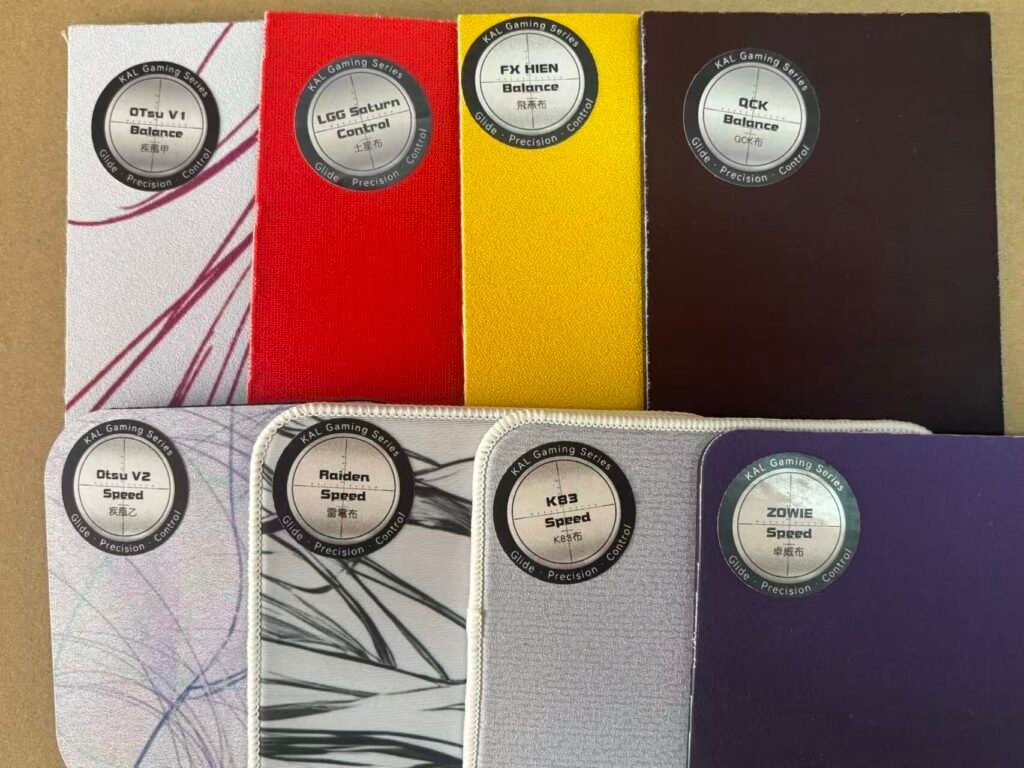
This article explains different mouse pad fabric types from a factory perspective, using the fabric samples shown in the image as a practical reference. It covers speed, balance, and control surfaces; fabric texture; X/Y glide; humidity resistance; stitching compatibility; production risks; and how brands should choose fabrics for custom gaming mouse pads.
How to Make Your Own Mouse Pad: A Factory-Level Guide from DIY Sample to Custom Production
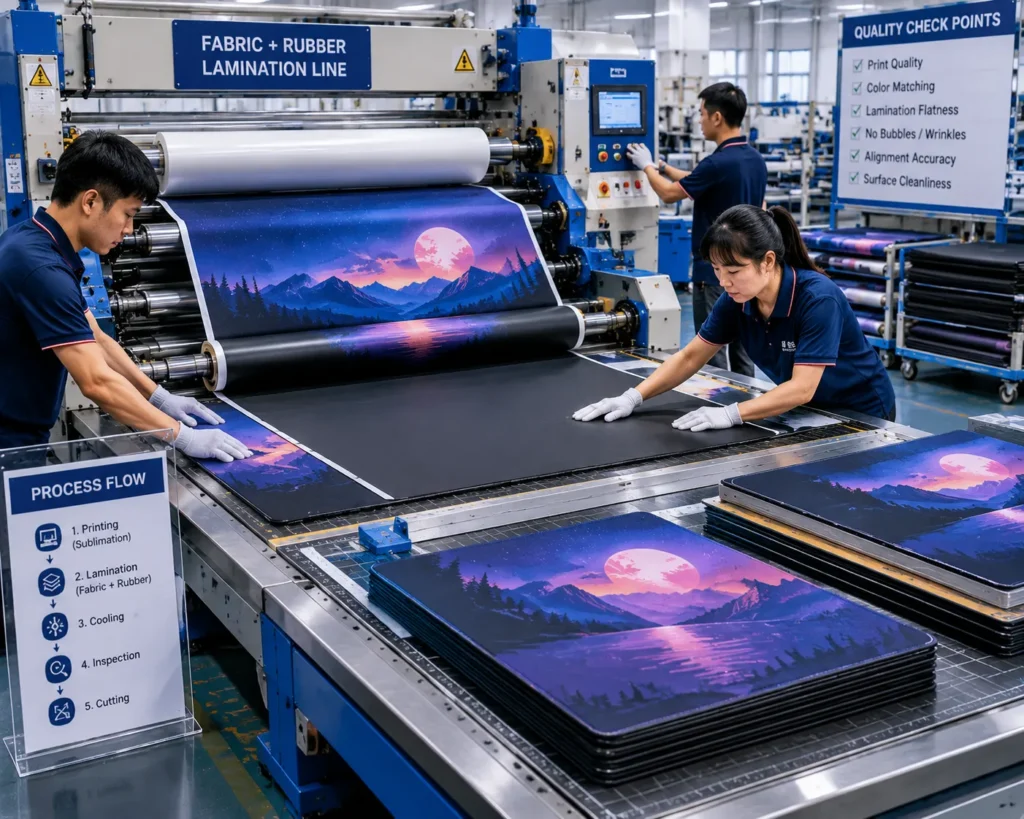
This article explains how to make your own mouse pad from a factory perspective. It covers DIY methods, professional production steps, material selection, fabric surfaces, rubber and foam bases, sublimation printing, cutting, stitching, quality control, packaging, and scaling from one sample to bulk manufacturing.
How to Make a Mouse Pad: A Factory-Level Guide from Material to Finished Product
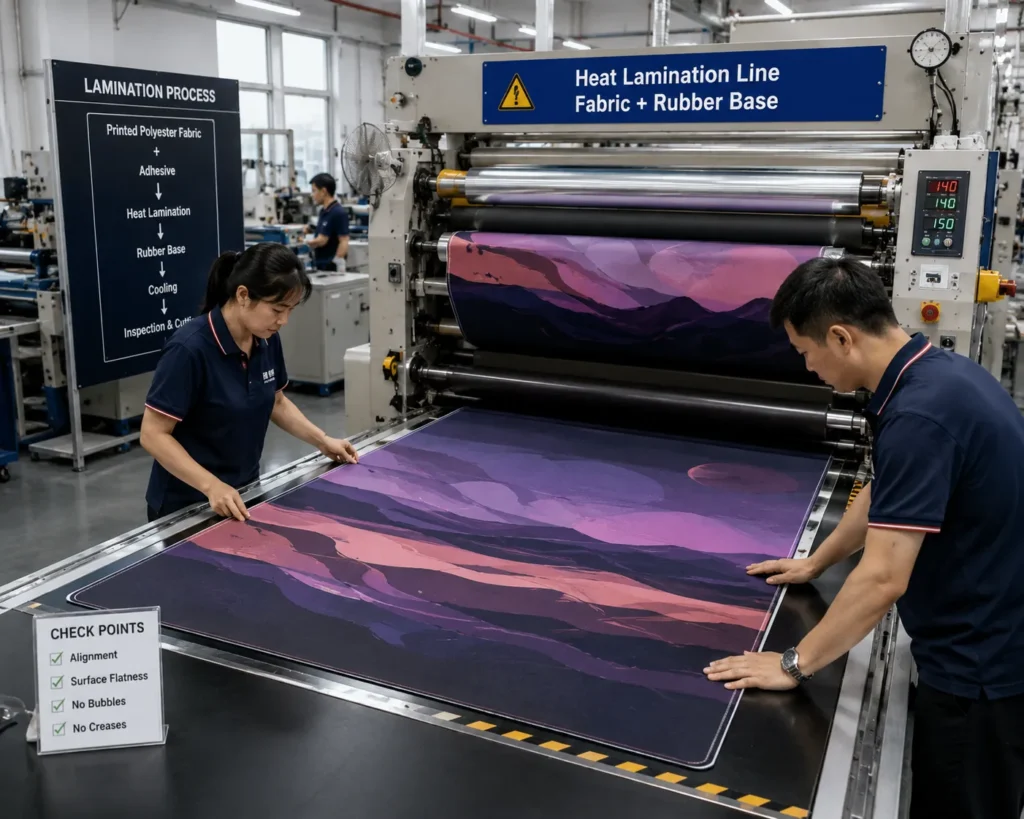
This guide explains how mouse pads are made in a real factory, from raw material selection to printing, lamination, cutting, stitching, inspection, and packaging. It also explains what buyers really want when they search “how to make a mouse pad,” and how brands can turn a basic mouse pad idea into a reliable OEM product for retail, gaming, office, or promotional markets.
How to Build a Premium Esports Mousepad with Amundsen Fabric and 4mm Domestic Poron
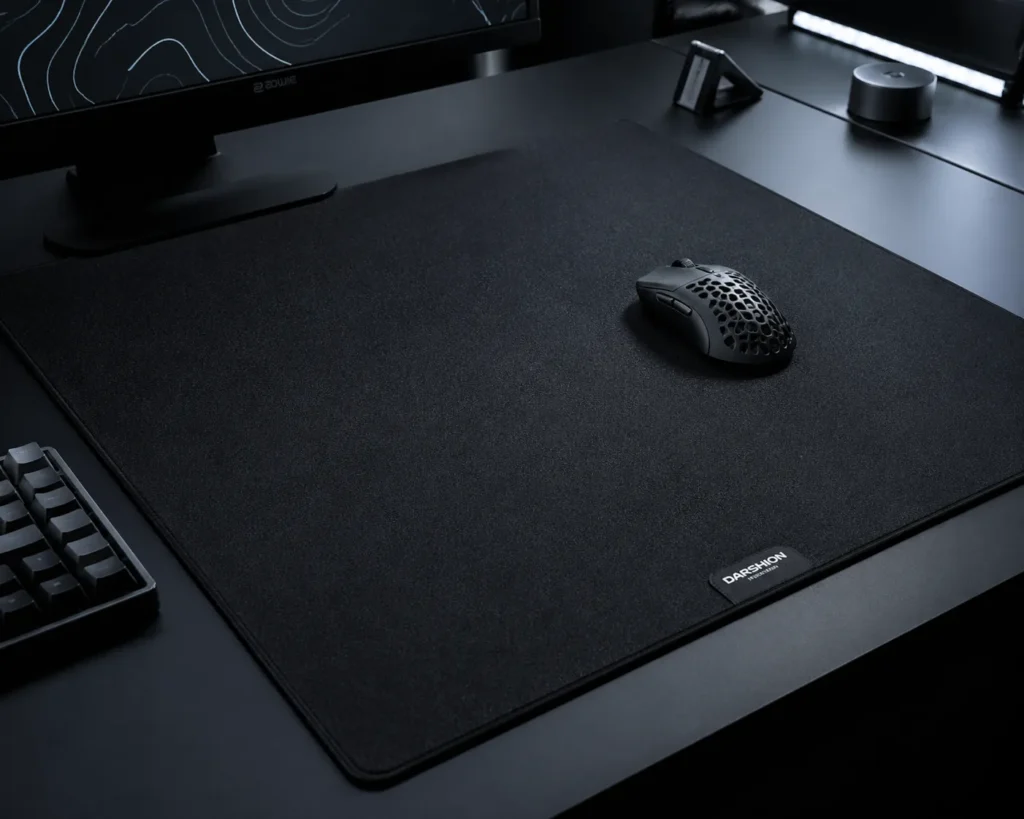
This article explains how to develop a premium esports mousepad based on a real OEM inquiry: uncoated Amundsen fabric, 4.0 mm domestic Poron, ultra-fine sub-surface stitching, and competitive sizes such as 450 × 400 mm and 490 × 420 mm.
Why Stable Power Supply Matters in Mouse Pad Manufacturing
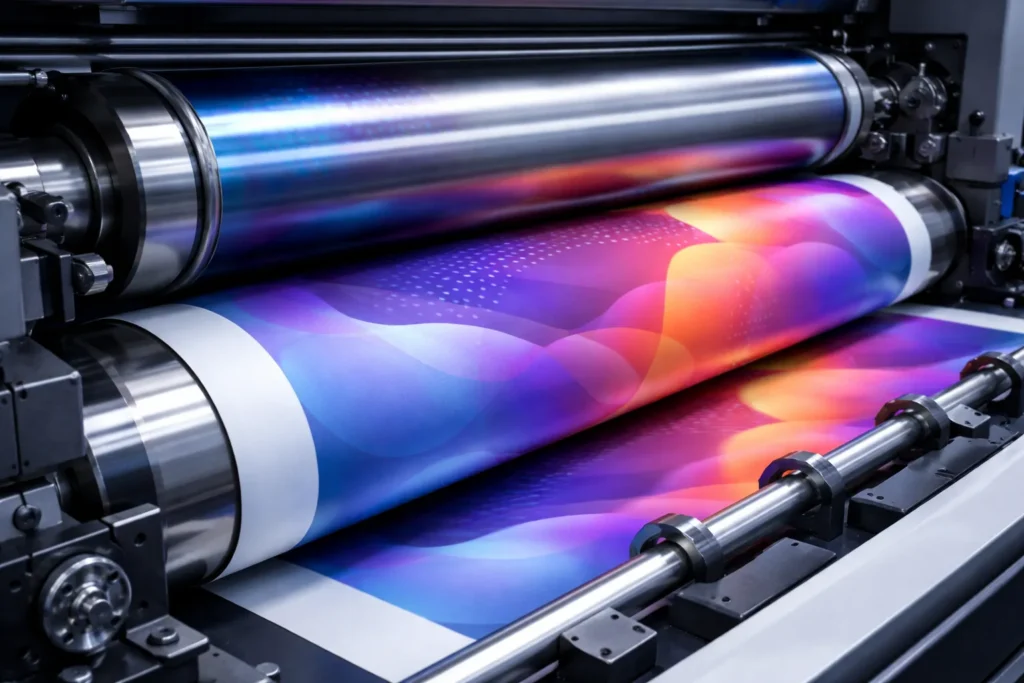
Learn why stable power supply is critical in mouse pad manufacturing and how it affects product quality, consistency, and bulk order reliability.
Hidden Issues in Mouse Surface Coating You Should Know
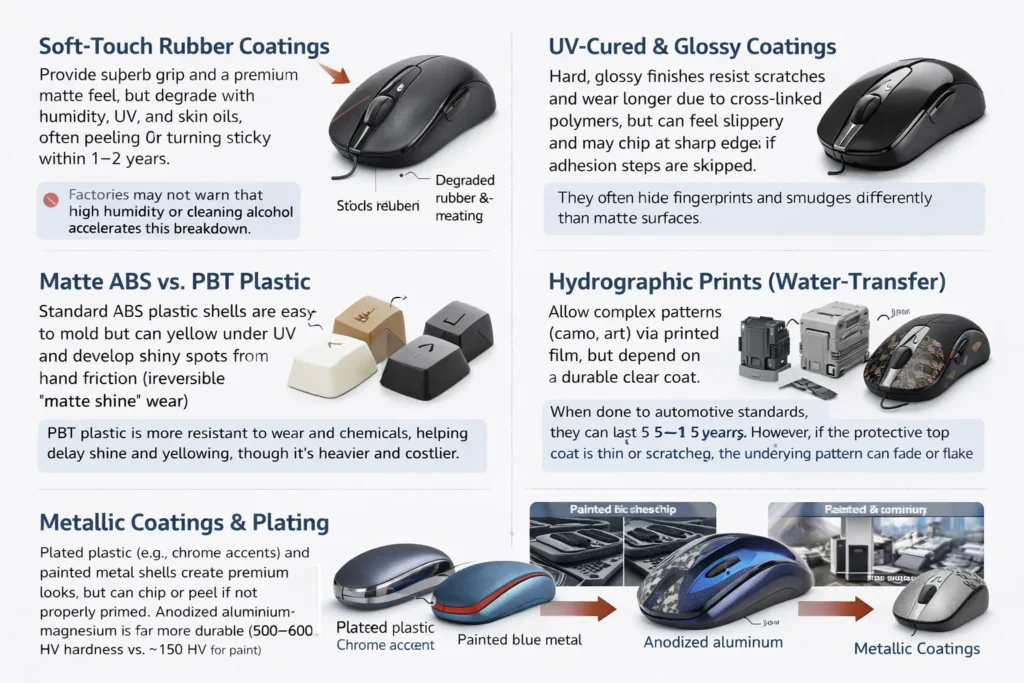
Uncover the hidden secrets of mouse coatings – from soft-touch rubber paint to glossy UV finishes, matte vs. glossy plastics, PBT durability, hydrographics, and metal plating. Learn the pros, cons, and questions OEM/ODM buyers must ask about longevity, grip, and lifecycle costs.
Poron Mouse Pad Supplier: B2B Procurement & Supply Guide
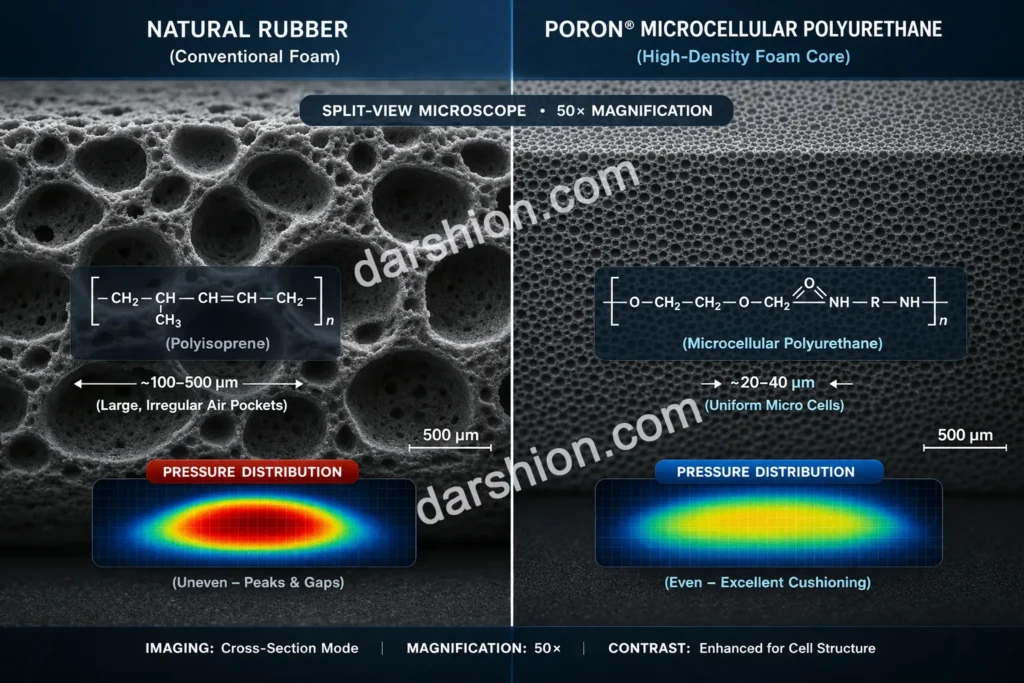
This research report dissects the high-end mouse pad market utilizing PORON® microcellular polyurethane produced by Rogers Corporation. By comparing natural rubber with Poron regarding compression set, rebound speed, and sensor tracking precision, we illustrate its core value as esports-grade hardware.
Artisan Mouse Pad Surface Types Explained for OEM Buyers (2026)
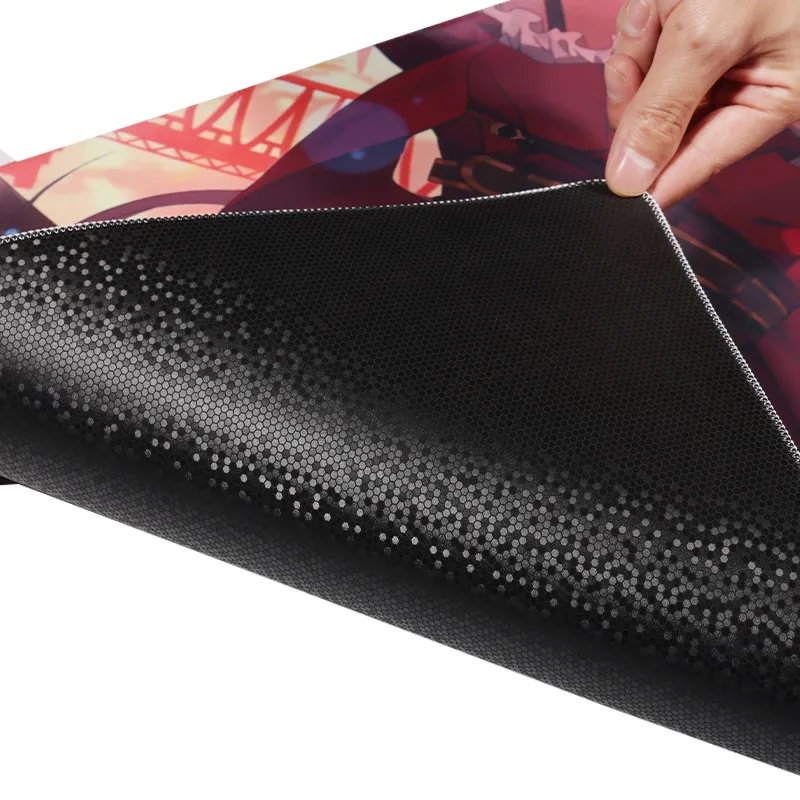
This guide explains how different mouse pad surface types—rough, smooth, hybrid, and coated—affect performance. Built from real factory insights, it helps B2B buyers choose the right surface for OEM production.
OEM Guide to Polyurethane and PORON Mouse Pads: Softer, Smarter Materials
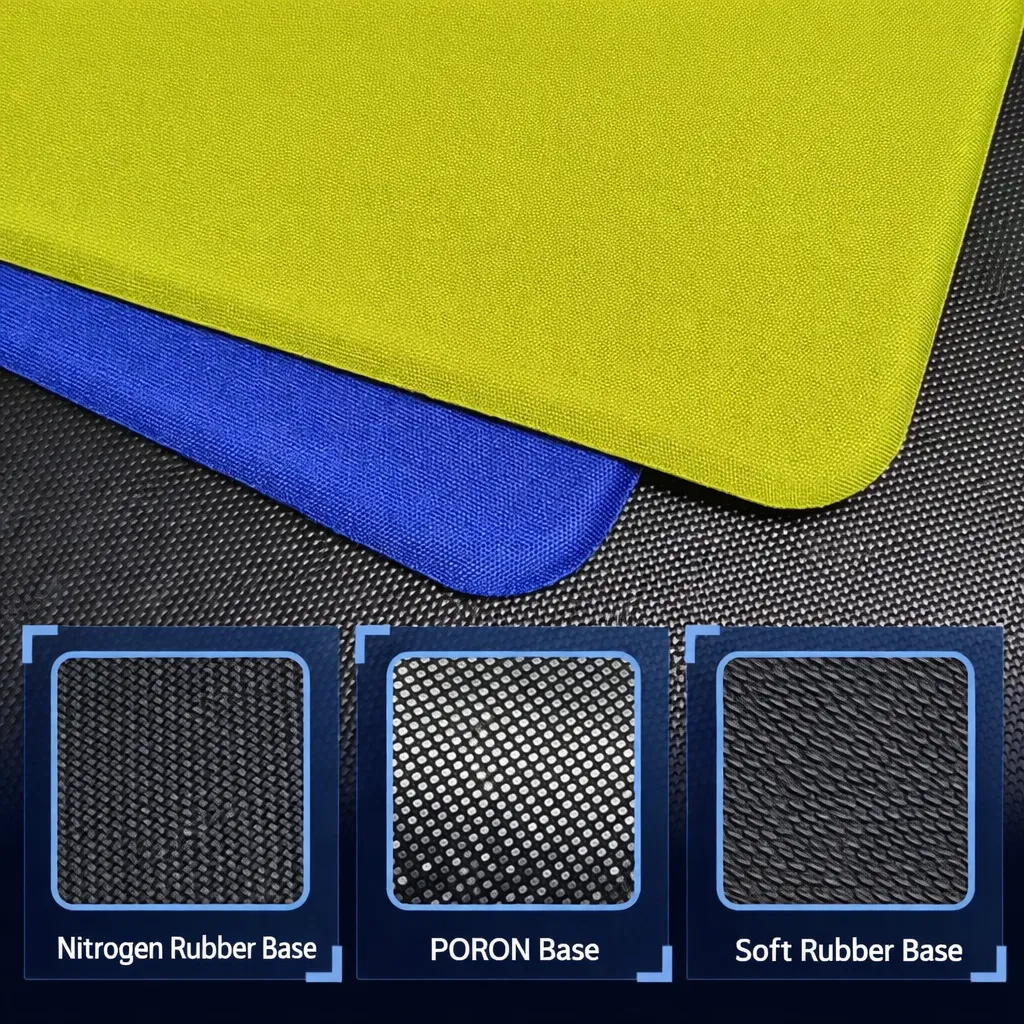
Polyurethane (PU) foam bases and PORON® offer significant advantages for high-end mouse pads. From an OEM viewpoint, these materials allow softer, smarter pad designs that improve precision and comfort.
Why PORON Foam Is Used in Premium Mouse Pads
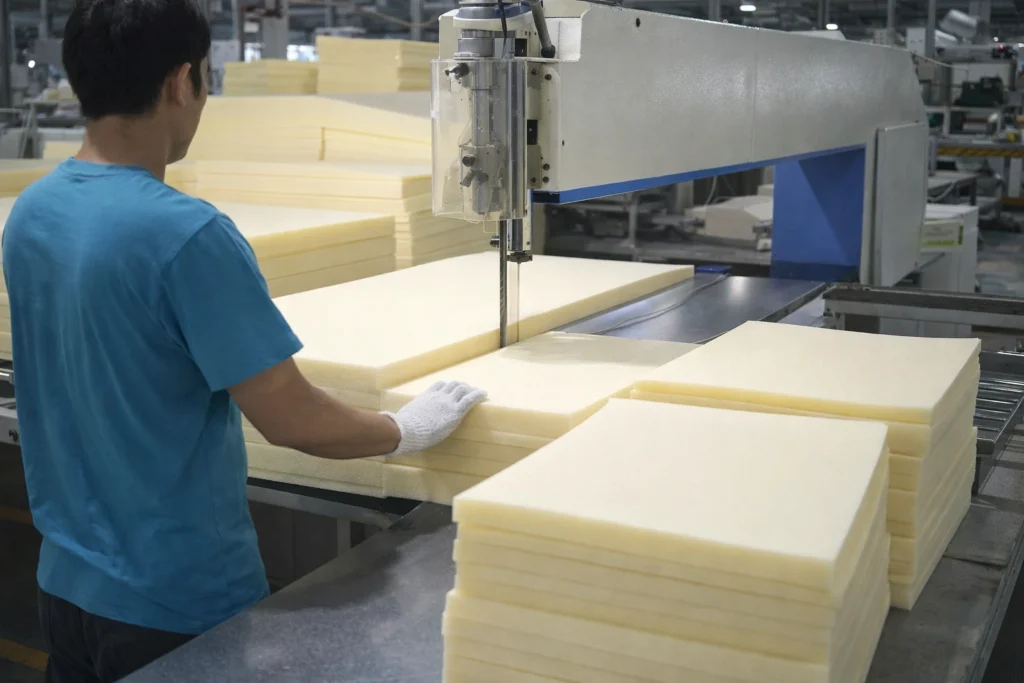
Premium mouse pads are increasingly built with PORON® polyurethane foam bases. This article—written from a factory perspective—explains the material science, performance benefits, and OEM advantages of using PORON for high-end pads.
Advanced Mouse Pad Materials Guide for OEM Buyers
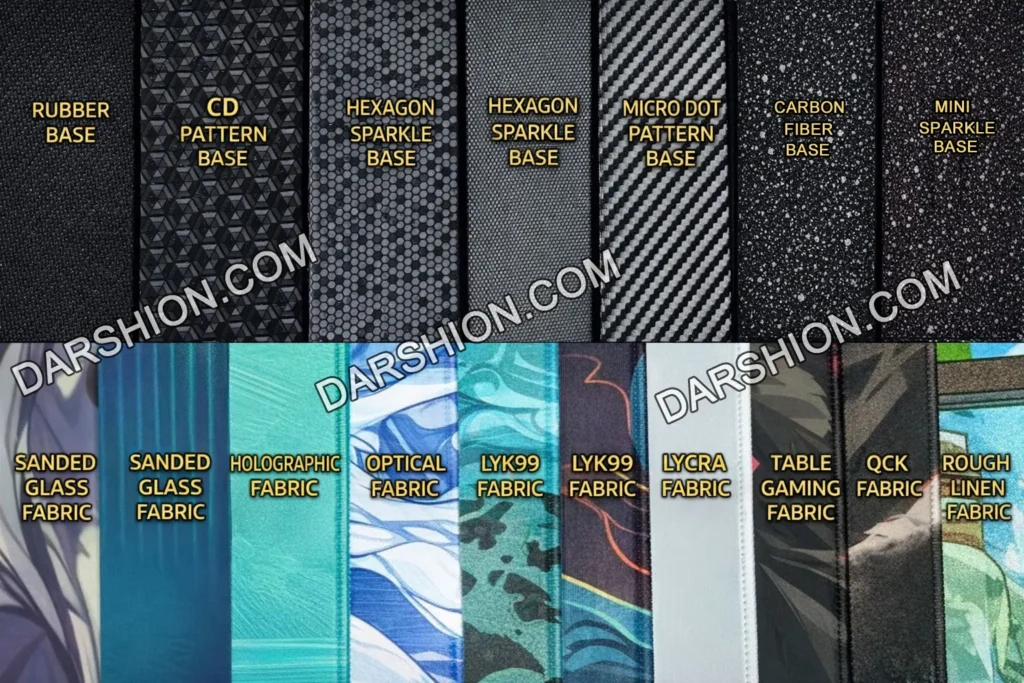
This factory-focused guide reviews modern mouse pad raw materials (rubber and polyurethane bases) and surface fabrics (Lycra, woven, high-thread-count cloth) with real-world brand examples.
Why Cost Control Matters in Mouse Pad Manufacturing
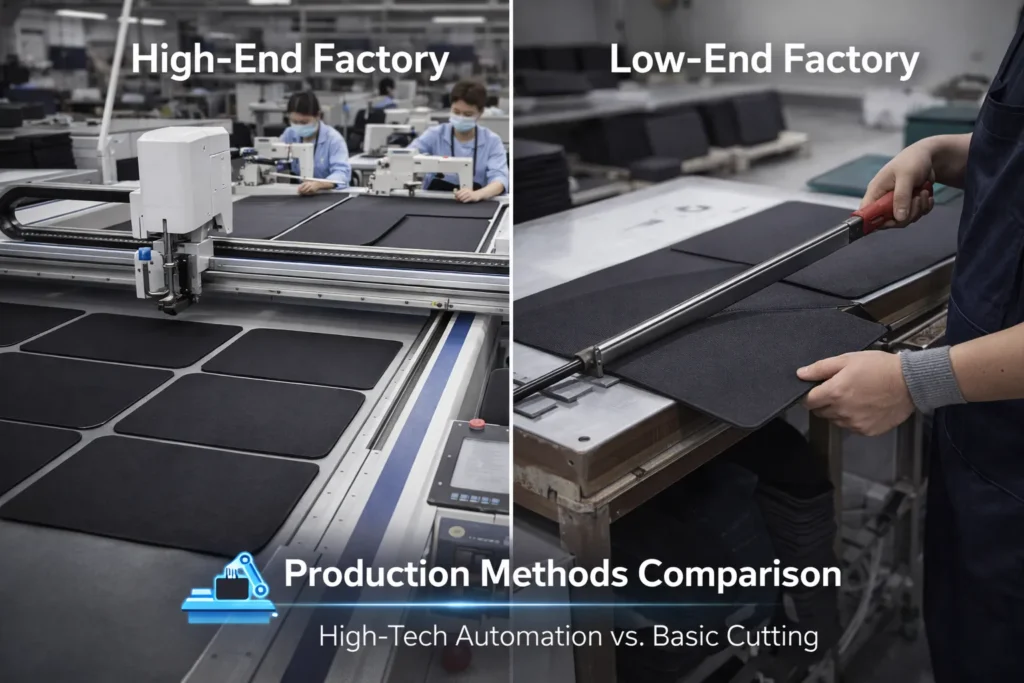
Cost control is crucial for mouse pad manufacturers to offer competitive pricing and protect margins. Factors from raw materials to QC processes all influence unit cost.